Anti Foaming Chemicals For Textile Industry About
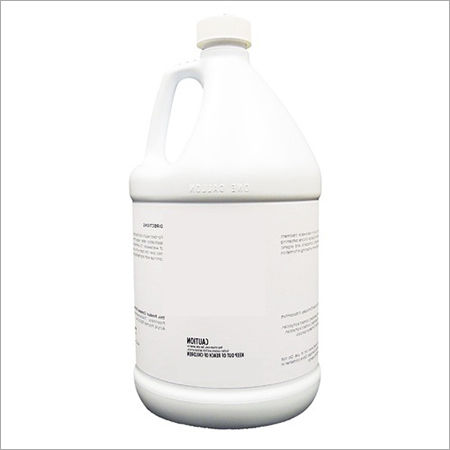
Anti Foaming Chemicals For Textile Industry reduces as well as stops foam forming in liquids. These chemicals are also called defoamers by unlike anti foamers, they completely eliminate existing foam. These chemicals are used to prevent not only formation of foam but also breaking of already made foam in liquid. Their large applicability in the textile industry is because foam causes serious entanglements of fabric. When this fabric goes through machines for processing, it causes stoppages of machines, patchy dyeing and uneven absorbency. Foam also results in uneven dyeing upon fabrics. Anti Foaming Chemicals For Textile Industry can be availed from us in strong and easy to store cans.
- In printing paste, foam can cause fish eye like spots, especially on printed fabrics, which these anti-foam chemicals can reduce and remove perfectly
- Anti foam controls both types of foams, existing and the one that is to be made
- Highly efficient anti foam chemicals promotes life of plain and printed fabrics
- Foam during bleaching, dyeing, desizing and other stages can be prevented using our chemicals
Specifications:
|
Usage
|
Industrial
|
|
Packaging Size
|
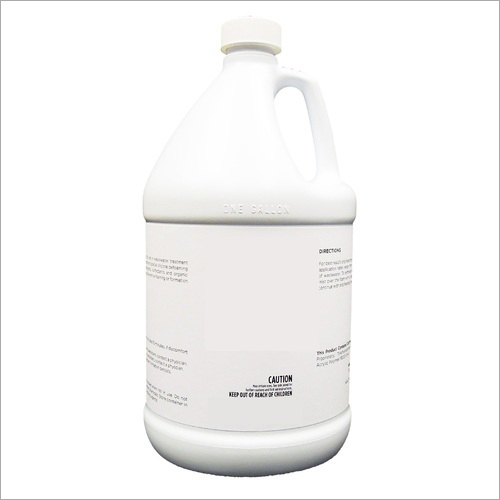
1 Gallon
|
|
Packaging Type
|
Plastic Can
|
|
Brand
|
Ketav
|
|
Handling Temperature
|
2 to 44 Deg C
|
|
Physical State
|
Liquid
|
Efficient Foam Control for Textile ProcessingFoam formation during textile manufacturing can hinder performance and reduce productivity. Our silicone-based anti foaming chemical addresses this challenge by providing effective foam suppression in all aqueous stages of textile processing. This ensures smooth operation, improved fabric quality, and prevents the overflow or wastage of chemicals.
High Purity & Easy ApplicationWith a solid content and purity of 98%, our product assures strong, long-lasting results while being easy to dose and incorporate into processing lines. Its liquid form, white appearance, and broad handling temperature range streamline storage and usage across different facility environments.
FAQ's of Anti Foaming Chemicals For Textile Industry:
Q: How should the anti foaming chemical be introduced into textile processing systems?
A: The anti foaming chemical should be added directly into the aqueous processing bath or circulation system where foaming occurs. Proper dosage ensures optimal foam control without affecting fabric properties.
Q: What benefits does this silicone-based anti foaming chemical provide to textile operations?
A: It provides rapid and effective foam suppression, protects equipment, improves process efficiency, and maintains fabric quality by preventing chemical overflow, ensuring consistent results during textile processing.
Q: When is it best to use this anti foaming agent in textile workflows?
A: It is ideal to use the anti foaming agent whenever foam formation is observed or anticipated during any aqueous processing stage, such as washing, dyeing, or finishing cycles.
Q: Where can I source this product, and what packaging formats are available?
A: This anti foaming chemical is available worldwide, particularly in India, through our exporter, importer, manufacturer, and supplier network. It is supplied in durable 1-gallon plastic cans for convenience and safety.
Q: What is the process for storing and handling the anti foaming chemical?
A: Store the product in its original, tightly-sealed plastic can, within the recommended temperature range of 2 to 44C. Ensure the storage area is dry and shielded from direct sunlight.
Q: How does the product's non-ionic/weakly ionic nature enhance its suitability for textile applications?
A: The non-ionic/weakly ionic structure ensures high compatibility with various textile chemicals and processes, minimizing interference and preventing unwanted reactions within the system.






 Send Inquiry



 Send Inquiry